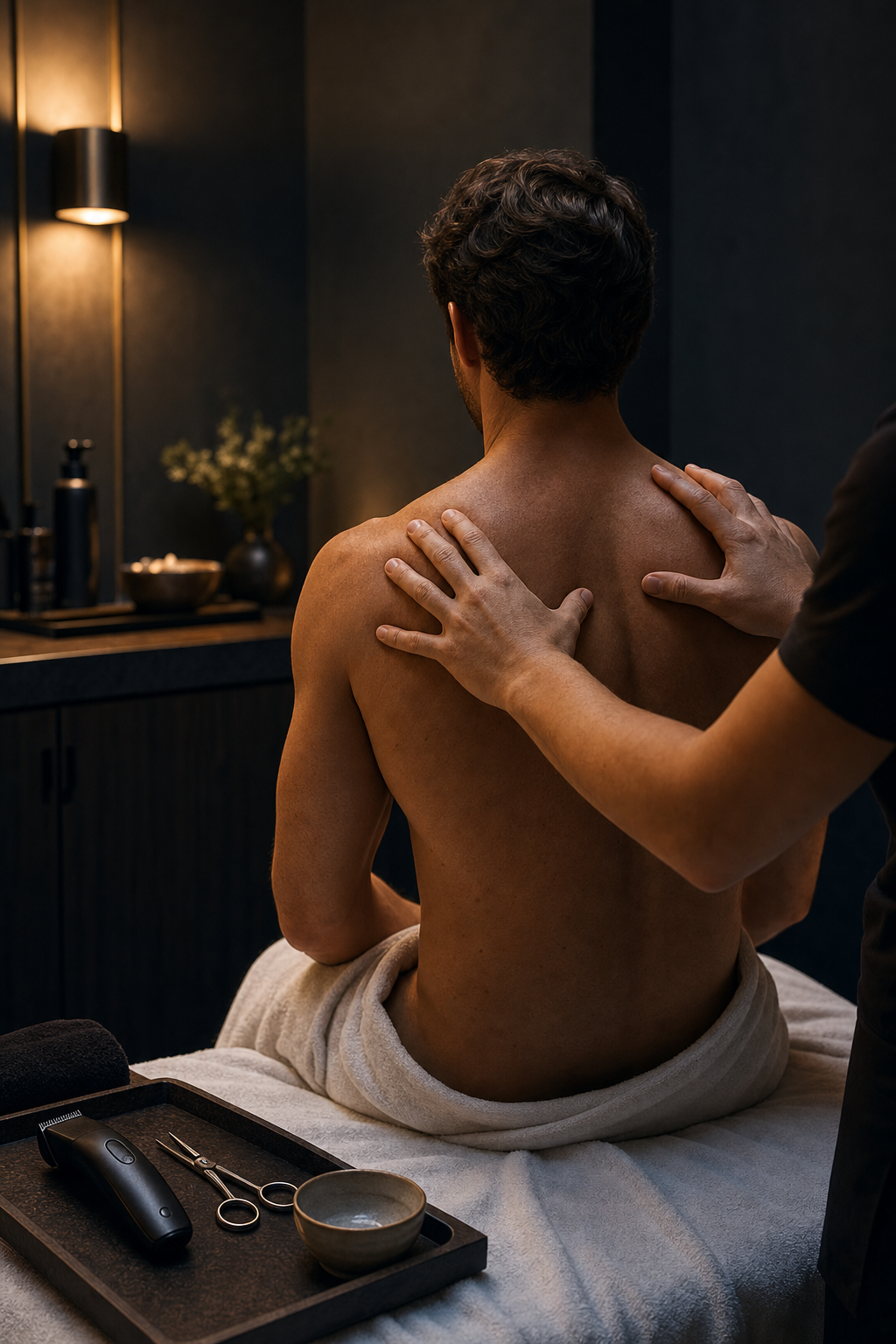
Proper massage aftercare for men requires staying hydrated with water while avoiding alcohol and caffeine to support muscle recovery. Resting, performing gentle stretches, and applying mild heat in the days following your session will help extend the relaxation benefits and reduce post-massage soreness.
Leaving a professional massage session often provides an immediate sense of physical clarity, yet many men inadvertently sabotage their results by returning to high-impact activities or neglecting recovery protocols. That initial feeling of lightness can quickly fade into stiffness if you treat the appointment as a one-off event rather than a component of a broader wellness strategy. Understanding the physiological shift that occurs during deep tissue or sports therapy is crucial; it allows you to sustain the benefits and avoid unnecessary soreness. In this guide, we provide a blueprint for post-massage recovery specifically for men. We will explore the necessity of strategic hydration, the impact of heat therapy on muscle fibers, and how to integrate massage with your grooming and manscaping routine. You will also discover the most effective frequency for your sessions to ensure you remain mobile, relaxed, and ready for your next challenge.
The Science of Recovery: Why Massage Aftercare for Men Matters
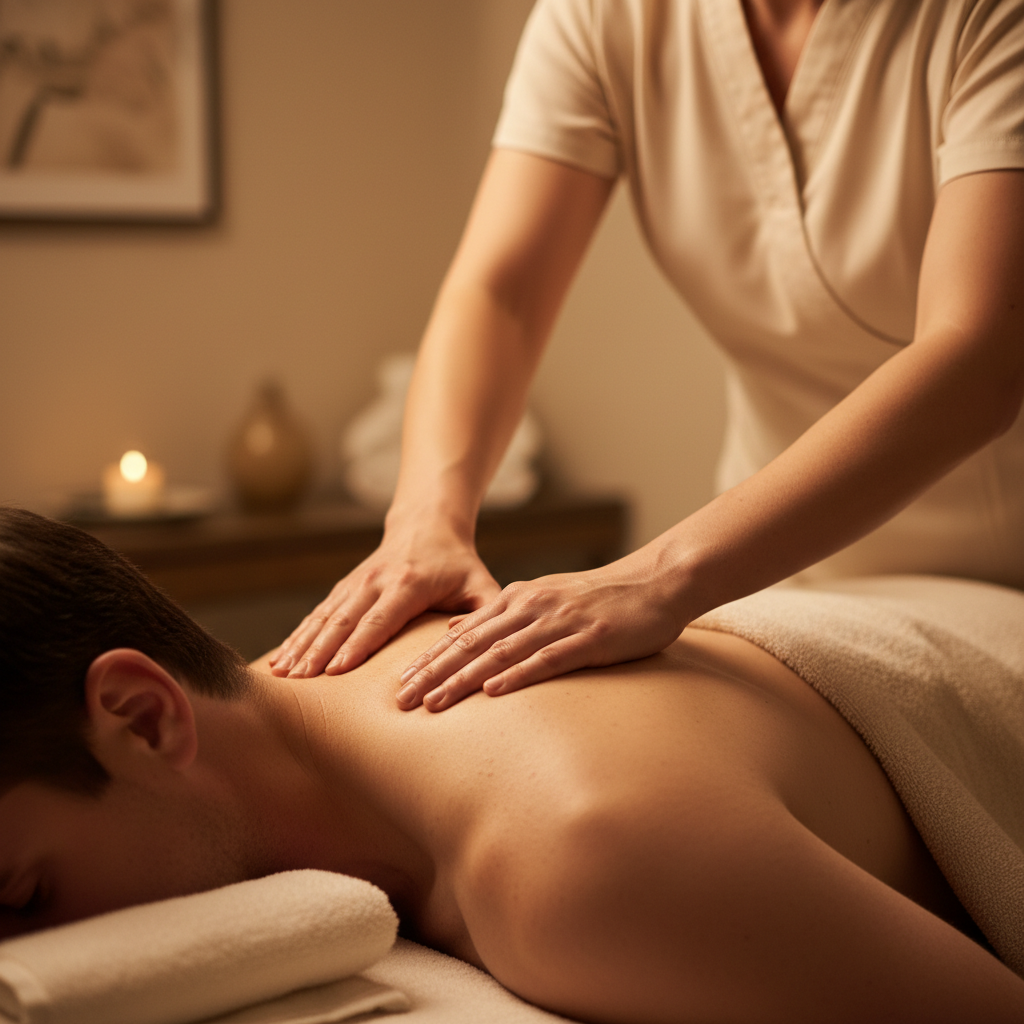
A professional session at m4m-massage is far more than a moment of luxury; it is a vital physiological reset. While the immediate sensory benefits of relaxing massages and stress-relief are clear, the most significant changes occur at a cellular level. Physical manipulation of muscle tissue acts as a mechanical pump for your lymphatic system. Because this system lacks its own heart to circulate fluid, manual therapy is essential for moving stagnant lymph and metabolic byproducts out of the soft tissue.
During deep tissue work, the compression and release of muscle fibers help flush out metabolic waste, specifically lactic acid, which accumulates during periods of high stress or intense physical activity. This is the physiological reality behind the toxins often mentioned in recovery discussions. For gentlemen navigating the high-pressure professional landscape of Fort Lee and Bergen County, this reset is particularly important. Men typically possess higher muscle density and store tension in specific patterns, often concentrated in the upper back and hips from long commutes or desk-bound work. Effective massage aftercare for men focuses on ensuring these released metabolites are processed efficiently. Integrating bodywork with professional manscaping services creates a comprehensive approach to male wellness. You can read more about our Fort Lee wellness center to see how we specialize in these male-specific recovery patterns.
Hydration and Nutrition: What to Eat and Drink for Optimal Results
Proper hydration is a cornerstone of effective massage aftercare for men, as it directly impacts how your body handles the physiological shifts triggered by manual therapy. Once the session concludes, your primary objective is to facilitate the filtration of the metabolic byproducts mentioned previously. Plan to consume between 8 and 16 ounces of water within the first hour of leaving the studio. This specific fluid intake provides the necessary volume for your kidneys to process and eliminate the waste products that were flushed from your muscle tissues during the session.
To maintain the suppleness achieved during your appointment, avoid alcohol and caffeine for at least 6 to 12 hours. Both substances act as diuretics, which can lead to systemic dehydration and cause treated muscles to tighten or lock up prematurely. This rebound tension can negate the progress made on deep-seated knots. Instead of a celebratory cocktail or an espresso, continue sipping water or electrolyte-infused beverages to keep the soft tissues pliable.
The ideal post-session meal following relaxing massages and stress-relief is light and protein-focused. High-quality amino acids are essential for repairing the muscle fibers that were manipulated during your treatment. A salad with lean grilled chicken or a nutrient-dense protein smoothie is an excellent choice for a professional on the move in Fort Lee. Choosing these options over heavy, processed, or greasy meals prevents the onset of digestive lethargy and ensures your body remains in a recovery-oriented state. By prioritizing these specific nutrients, you transition smoothly from the table back to the demands of your daily schedule with clarity and physical ease.
The First 24 Hours: Managing Soreness and Activity Levels
Once your session at m4m-massage concludes, the way you manage your physical activity dictates the longevity of the results. A common question among our clients is why they might feel sore after a deep tissue session. This sensation is almost identical to Delayed Onset Muscle Soreness (DOMS) experienced after a heavy leg day or a rigorous weightlifting session. When a therapist works through deep-seated tension, the physical manipulation causes micro-trauma to the muscle fibers. This is a necessary part of the physiological reset, but it requires a dedicated recovery window to be effective.
Regarding your fitness routine, the gold standard for massage aftercare for men is to avoid intense physical exertion for at least 24 hours. Jumping straight into a high-intensity interval training class or a heavy lifting session at a Fort Lee gym can re-inflame the tissues that were just calmed, potentially leading to injury or extreme stiffness. If you feel the need to move, prioritize gentle, static stretching. This maintains the range of motion achieved during your treatment without placing further strain on the muscle-tendon junctions that are currently in a state of repair.
You may also notice a profound sense of fatigue shortly after leaving our studio. This is a natural parasympathetic response. The massage shifts your nervous system out of its habitual 'fight or flight' mode, which is often overworked by the fast-paced Bergen County lifestyle. This shift triggers a deep relaxation phase where your body prioritizes internal repair over external activity. If your schedule allows, a 30 to 60-minute nap is one of the most effective ways to support this physiological transition. Listening to this signal for rest is just as important as the relaxing massages and stress-relief itself. By allowing your body this 24-hour grace period, you ensure the muscles heal in their new, lengthened state rather than snapping back into a defensive, tight posture.
Maximizing Your Results: Heat Therapy and Gentle Movement
After the initial twenty four hour rest period, shifting your focus to active maintenance helps preserve the mobility gained during your session. Integrating strategic heat therapy into your routine is a cornerstone of effective massage aftercare for men. A warm Epsom salt bath is highly recommended on the second evening. The magnesium in the salts absorbs through the skin to further relax muscle fibers. It is important to keep the water warm rather than hot; excessive heat can trigger inflammation in tissues that are still recovering from deep work.
From day two through day seven, localized heat application serves as a bridge between your appointments. If you feel a specific knot returning, apply a heating pad to the area for fifteen minutes to encourage blood flow and maintain tissue flexibility. This is particularly beneficial for gentlemen enduring long commutes over the George Washington Bridge or those spending extended hours at a desk.
Combine this heat with targeted movement to prevent postural relapse. For neck tension, perform slow chin tucks to reset the cervical spine. For the lower back, gentle cat-cow movements or seated spinal twists help decompress the vertebrae. These small, daily actions ensure the relaxing massages and stress-relief you received translate into lasting physical comfort. These habits, alongside professional manscaping services, form a complete wellness routine for the modern professional.
The Grooming Connection: Aftercare for Massage and Manscaping
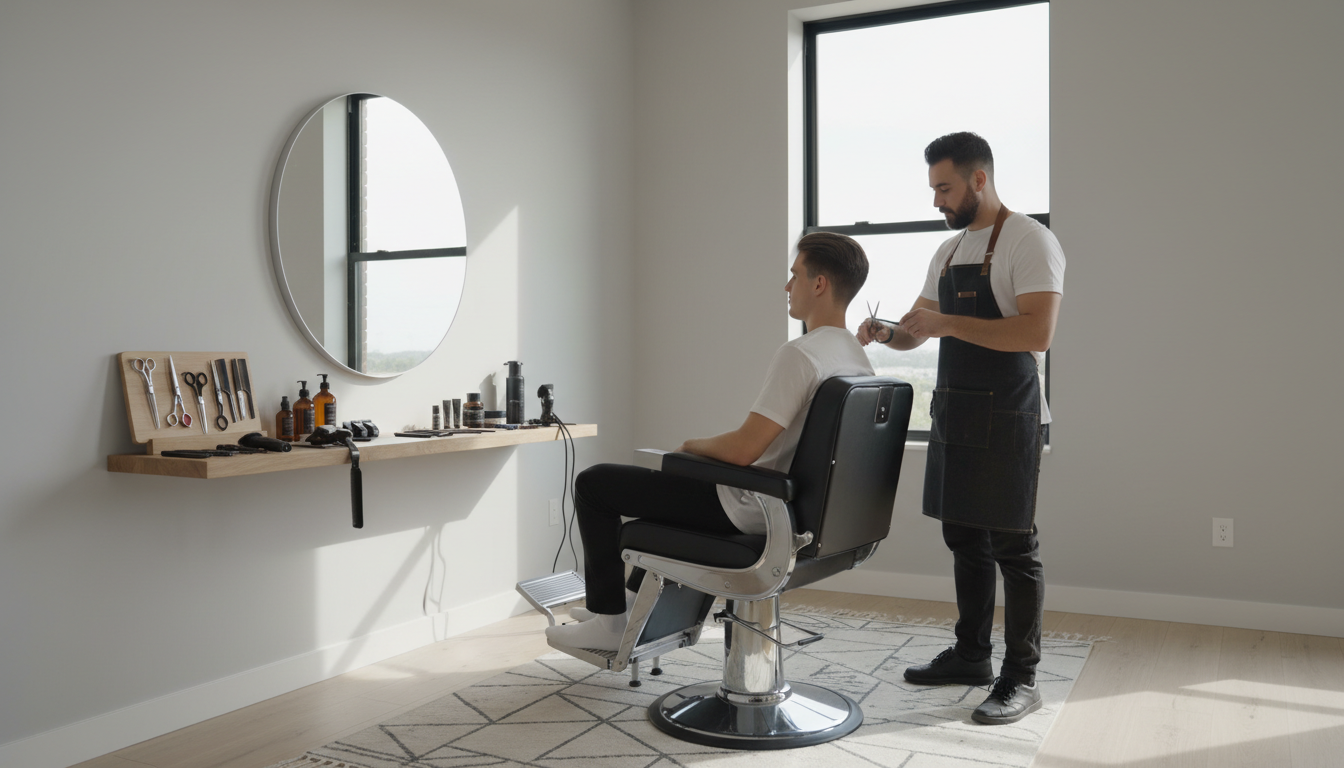
Integrating bodywork with grooming creates a synergistic effect on male skin health. The high-grade carrier oils utilized during a session at m4m-massage, such as jojoba or almond oil, deeply hydrate the dermis and soften hair follicles. This serves as an excellent primer for professional manscaping services, as well-moisturized skin is less prone to nicks and irritation during future trimming or shaving.
However, the sequence of these treatments is critical for effective massage aftercare for men. If you have just completed a full-body manscaping session, your skin may be sensitized or have microscopic abrasions. Applying heavy oils and firm pressure to freshly groomed skin can lead to clogged pores or folliculitis. It is best to wait at least 24 to 48 hours after hair removal before scheduling a massage. Post-treatment, prioritize skin breathability by wearing loose, natural fibers like cotton. This prevents trapped sweat and oil from irritating the skin, ensuring that your grooming and recovery efforts work in tandem to produce a polished, revitalized result.
Frequency Strategy: How Often Should Men Schedule a Massage?
Maintaining your physical health requires the same logic as servicing a high-performance vehicle. You do not wait for the engine to seize before scheduling an oil change; you perform maintenance based on mileage and usage to prevent catastrophic failure. This proactive mindset is essential for effective massage aftercare for men. Waiting until you are in significant pain to book an appointment means you have waited too long. At that stage, the body has already entered a state of compensation, and you are shifting from wellness maintenance into injury rehabilitation.
For gentlemen managing chronic stress, high-intensity professional roles, or burnout, a session every two weeks is the most effective roadmap. This frequency ensures that the physiological benefits of relaxing massages and stress-relief do not dissipate between visits, preventing the nervous system from defaulting back into a state of chronic tension. If your goal is general wellness maintenance, a four-week interval is recommended. This monthly "system reset" provides a consistent check-in to address postural imbalances caused by long hours at a desk or the daily grind of the Fort Lee commute.
The fast-paced environment of Bergen County demands constant output, and regular bodywork, often paired with professional manscaping services, provides the necessary downtime to sustain that performance. Consistency is the primary factor in long-term mobility. By establishing a routine schedule, you treat your physical well-being as a non-negotiable asset rather than an afterthought. You can learn more about our Fort Lee wellness center to determine which frequency strategy aligns best with your personal recovery goals.
Common Post-Massage Mistakes to Avoid
To protect your investment in relaxing massages and stress-relief, you must avoid specific behaviors that counteract the physiological progress made during your session. Think of the massage as 50 percent of the therapeutic process; the other 50 percent is determined by your actions over the following 48 hours. Failing to follow these guidelines can result in increased stiffness or localized inflammation.
Avoid these common post-session pitfalls:
Skipping hydration: Failing to drink water leaves metabolic waste trapped in your tissues, leading to lethargy or a "massage hangover."
Drinking alcohol: A celebratory beer or cocktail acts as a diuretic, dehydrating the fascia and causing the muscles to tighten prematurely.
High-intensity workouts: Lifting heavy weights or doing cardio immediately after a session risks re-inflaming muscles that were just mobilized.
Ignoring specific feedback: If your therapist identified a specific "problem area," such as extreme tightness in the IT band or scapula, disregard their stretching or lifestyle advice at your own peril.
By remaining mindful of these factors, you ensure the work done at our professional manscaping services and massage studio remains effective. You can learn more about our Fort Lee wellness center to better understand how we tailor these recovery protocols for the modern gentleman.
Taking the time to focus on hydration and gentle movement after your session is the best way to maintain that post-massage glow. These simple habits help your body flush toxins and keep muscles supple for days to come. If you feel like you want expert help developing a more personalized wellness plan, we are here to support your journey. You can learn more about our approach to specialized male massage therapy to see how we can help you achieve lasting results.